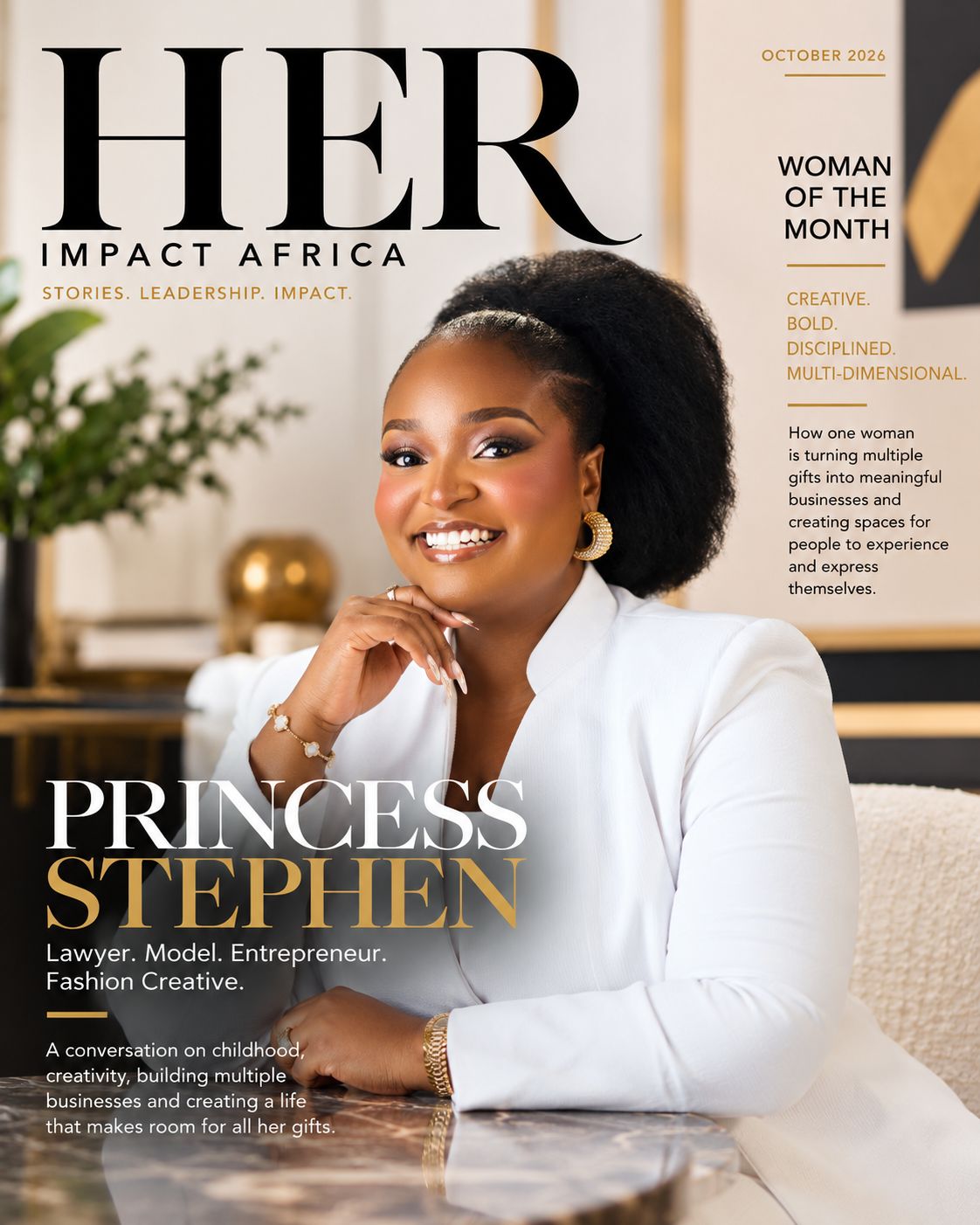

There is a quiet danger in not telling your own story. People will still make assumptions about you. They will decide what you are good at, remember one thing you did years ago and make it the thing they associate with you. They will recommend you for opportunities, or fail to, based on whatever version of you they have managed to piece together. For Susan Ifeoluwa Opeyemi, that is not just an interesting idea. It is a lesson she has lived, studied and now spends her time teaching other people.
Known to many as Coach Sue, Susan is a Personal Brand Coach, Ghostwriter, Content Strategist and Speaker who works with beginners and rising professionals to help them turn what they know, what they have experienced and what they can offer into a personal brand people can actually understand. But she did not arrive at this work with a perfectly formed framework or an effortless understanding of visibility. In fact, her own personal branding journey began with something much less polished: confusion.
Susan describes her first year of building a personal brand as “utter chaos.” She was enthusiastic, but like many people starting out, she thought being visible meant being everywhere. LinkedIn, Instagram, Twitter, Clubhouse, TikTok, she was creating, posting and trying to figure out the rules as she went. Canva graphics and hashtags felt like part of the work. The more she did, however, the more she began to realise that activity was not the same thing as direction. She was showing up, but she had not yet answered the question that mattered most: what exactly do I want people to know me for?
The answer became clearer when she noticed something uncomfortable. People knew different versions of her. Some saw her as a social media manager. Some knew her because she loved books. Others simply knew that she was always online, always creating, always doing something. But if the right opportunity came along, would those people immediately think of Susan? Would they know what to call her for? Would they understand the value she could bring? She wanted the answer to be yes. So she stopped trying to be everything to everyone and began deliberately shaping the way she communicated her work. What she was discovering for herself would eventually become the foundation of the work she now does with others: clarity before content.
For Susan, that means you do not begin with the post. You begin with the person behind the post. Before someone starts planning captions, reels or content calendars, they need to understand who they are, who they are trying to reach, what they know, what they have to say and what they want to be remembered for. She has seen first-hand what happens when that foundation is missing. One client came to her eager to start creating content, and Susan encouraged her to slow down and get clear first. Instead, the client went ahead, booked a videographer and editor, and produced ten videos. The content eventually went live, and then something happened that should have been a win: a potential client entered her DMs asking about her services. She panicked. She did not know how to respond, what to charge or how to move the conversation forward. The opportunity disappeared. For Susan, the lesson was immediate. Getting attention is not the same as being ready for attention. That is why her coaching does not stop at helping people decide what to post. Her 1-on-1 coaching process moves through identity, story, content strategy, review and monetisation because she wants people prepared for the opportunities their visibility is supposed to create.
It is a philosophy that makes even more sense when you understand where Susan spent years sharpening her skills: behind other people’s names. As a ghostwriter, she has worked on more than 100 scholarly and professional publications, helping experts turn ideas they understand deeply into work that other people can read, trust and engage with. It is demanding work because ghostwriting requires more than good grammar. You have to listen closely enough to understand another person’s thinking, find the argument buried inside their knowledge, recognise what matters and then give it language without losing the person’s voice. Susan has spent years doing exactly that, finding the substance inside someone else’s head and helping the world see it. It is not difficult to see why that became such a natural bridge into personal branding.
Her love for books and learning is another thread running through everything she does. Susan is an avid reader, someone who buys and keeps books across genres and sees personal development as something that should never really stop. She believes the quality of what a person puts into the world is connected to the quality of what they are putting into themselves. For her, a personal brand cannot be built entirely on presentation. Eventually, people will ask what you know, what you think and what you have learned. Visibility can make people look your way, but depth gives them a reason to keep looking.
That thinking found a new home in Brand Out Loud, the newsletter she launched in 2026. Its message is direct: tell your story before someone else tells it for you. But Susan is not talking about turning your life into a performance or manufacturing a more impressive version of yourself for the internet. She is talking about ownership. If you do not explain what you do, people will make their own assumptions. If you do not document what you are building, parts of your journey may disappear. If you do not communicate what you know, someone less knowledgeable but more visible may become the person associated with the conversation. Brand Out Loud is Susan’s invitation to professionals to stop waiting to be discovered and start taking responsibility for how their work is understood.
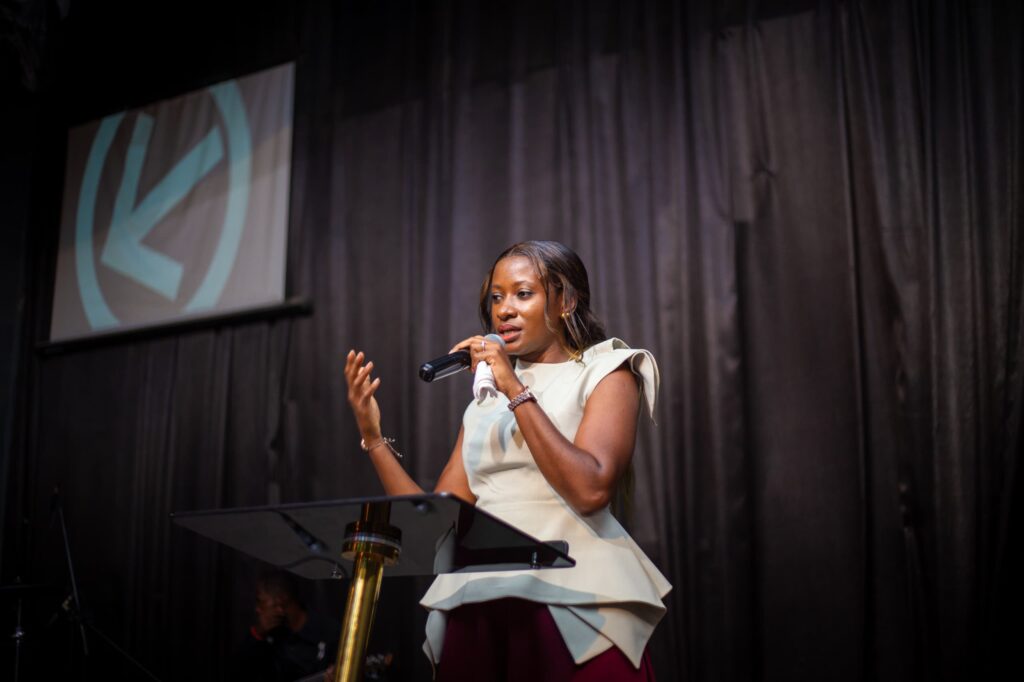
She has seen what that kind of clarity can unlock for other people. One of the people she has worked with is writer Modupeola Akinyemi, who approached Susan for help “gathering” her writing brand. At the time, Susan says, Modupeola was not publishing consistently. With more structure around her writing, she went on to contribute to BellaNaija and build her presence on platforms including Substack and Medium. Then came a moment that Susan remembers because it captured exactly why this work matters: someone actually paid to read Modupeola’s writing. When she called Susan, she reportedly said, “Susan, someone paid for my writing. I am your testimonial.” For Susan, that is the real reward. Not simply that someone posted more often, but that they began to see their own work differently, and eventually, other people did too.
That same instinct now operates on a much larger stage through Susan’s work as Project Coordinator for the African Creators Summit. Her work there places her in the middle of conversations about African creators, content, enterprise and the future of the creator economy, working across initiatives connected to cities including Accra, Johannesburg, Nairobi, Congo and Dubai and engaging with convention bureaux, government ministries and international partners. The scale is different from a one-on-one coaching session, but the question underneath it is remarkably similar: how do we make sure the value being created is actually seen? African creators are building businesses, communities, intellectual property and new forms of cultural influence. Visibility is not a side issue in that ecosystem. It is part of the infrastructure.
That instinct shows up in the other spaces Susan contributes to as well. Through The Roundtable, she helps create spaces for conversations around marriage and relationships, including a WhatsApp community where people gather every weekend for discussions that are often more honest than the conversations people are willing to have publicly. She also works on the publicity team for Clothed and Not Ashamed (CANA) Fashion Show and Sales Fair, helping shape how an event that sits at the intersection of faith, fashion, creativity and commerce is presented to its audience. These may seem like different worlds, but Susan approaches them with the same understanding: people connect with what they can see, understand and relate to.
And perhaps that is what makes the different parts of her career fit together so naturally. Personal brand coaching, ghostwriting, content strategy, communications, mentorship and creator-economy work may appear to be separate lanes, but Susan keeps returning to the same problem. There are people with ideas nobody knows about. Professionals whose expertise is buried beneath vague descriptions. Creators whose work deserves a bigger audience. Writers who have something to say but have not yet found the confidence or structure to say it. Businesses and communities doing meaningful work that struggle to communicate why it matters. Susan’s work begins in that gap between what exists and what the world can see.
That is also why she does not see personal branding as vanity. She sees it as infrastructure. A strong personal brand is not about becoming famous for the sake of being famous. It is about making your work easier to find, your expertise easier to understand and the right opportunities easier to recognise. It is about being able to walk into a room and have people understand why you belong there. It is about building enough evidence around what you do that when an opportunity comes looking, your name has somewhere to land.
For beginners and rising professionals especially, Susan believes this work should not be postponed until they have a perfect résumé or a huge following. You do not need to wait until everyone knows your name before you start becoming known for something. You can begin with what you have learned, the problems you know how to solve, the experiences that have shaped your perspective and the work you are already doing. The goal is not to pretend you are further along than you are. It is to stop hiding the evidence of where you already are.

Maybe that is why Susan’s own evolution is so important to the story she now teaches. She knows what it feels like to be visible but unclear. She knows what it is like to create without knowing exactly what all the creating is supposed to lead to. She knows what it means to look at your own scattered pieces and realise they need to become a coherent picture. And she has learned that clarity does not simply make a brand look better. It changes the way people experience you, the opportunities they associate with you and, sometimes, the opportunities you are able to recognise for yourself.
Susan Opeyemi is therefore not simply teaching people how to build personal brands. She is teaching them how to take ownership of the story that their work is already telling. Because the world will form an opinion about you whether you participate in the process or not. Your work will be interpreted. Your experience will be remembered selectively. Your name will mean something to people. The question is whether you will be intentional about what it means.
Before someone else decides who you are, Susan believes you should learn to tell your own story. And then, tell it well enough that the right people know exactly why they should be listening.