
In many underserved communities across Abuja, thousands of girls, women, and people with disabilities face a silent monthly struggle: managing menstruation without safe and affordable sanitary products. For many, the rising cost of disposable pads means turning to unsafe alternatives, missing school or work, and enduring shame fueled by persistent menstrual stigma.
The Zero-Waste Cycle Project is stepping in to change that reality.
The initiative aims to equip 1,000 individuals in Abuja with practical menstrual health knowledge and hands-on skills to produce reusable sanitary pads — offering a long-term, affordable, and environmentally friendly solution to period poverty.
More than just a training program, the project is a movement toward dignity, inclusion, and sustainability.
“Menstrual health is not a luxury; it is a basic human right,” said the project team. “No one should have to choose between their health and their finances, or suffer discrimination because of a natural biological process.”
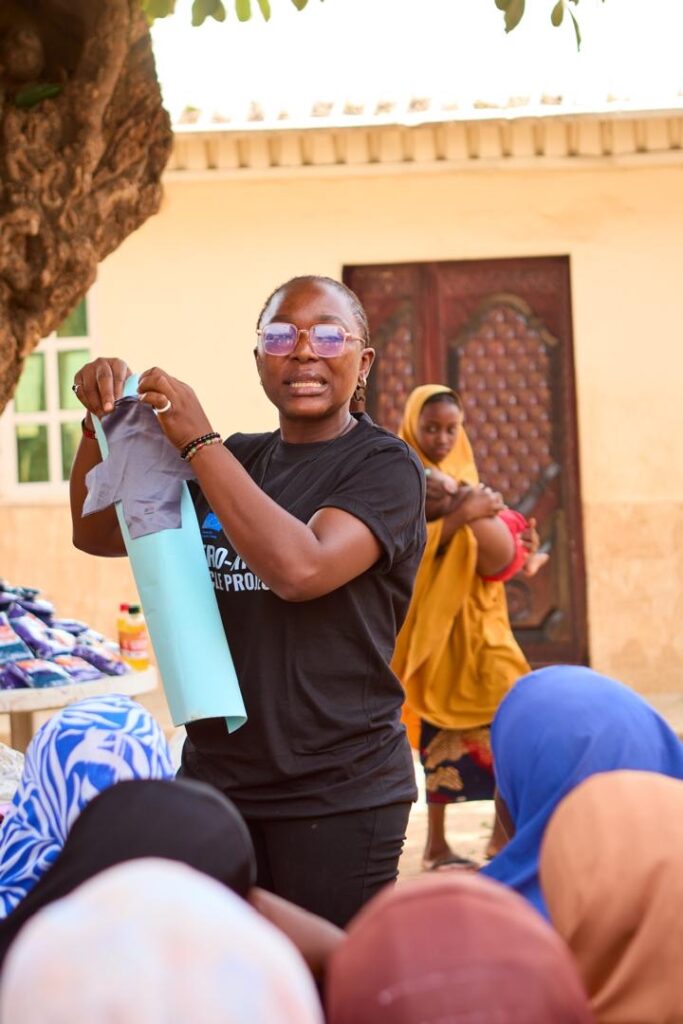
Through community outreach and education campaigns, the project will engage schools, rural communities, and disability support centers to promote accurate menstrual health information and challenge harmful myths surrounding menstruation. Teachers, health workers, parents, and community leaders will also participate in conversations designed to break the silence and normalize menstrual discussions.
At the heart of the project are intensive reusable pad-making workshops where participants will learn how to create durable, eco-friendly sanitary pads using locally available and affordable materials. The training will also cover proper hygiene, cleaning, and maintenance practices to ensure safe and sustainable use.
Beyond improving menstrual health access, the project also addresses an often-overlooked environmental issue. Disposable sanitary pads contribute significantly to non-biodegradable waste pollution, clogging drainage systems and harming ecosystems. By promoting reusable alternatives, the Zero-Waste Cycle Project encourages climate-conscious menstrual practices that protect both people and the planet.
The project is expected to foster self-reliance, reduce school absenteeism linked to menstruation, empower vulnerable groups with practical skills, and create stronger awareness around menstrual equity in Abuja communities.
As conversations around climate action, gender equity, and public health continue to grow globally, the Zero-Waste Cycle Project demonstrates how local, community-driven solutions can create lasting impact.
This project is funded by the European Union in partnership with Global Youth Mobilization and implemented by Centre for Teens Health and Development (Centre4teens)
Ok