
For many girls, the experience of menstruation comes with more than the physical changes of growing up. Stigma, misconceptions, embarrassment and limited access to accurate information can make what should be a normal part of life a source of anxiety and shame. In some homes and schools, menstruation remains a subject that is rarely discussed openly, leaving girls with questions they may not feel comfortable asking.
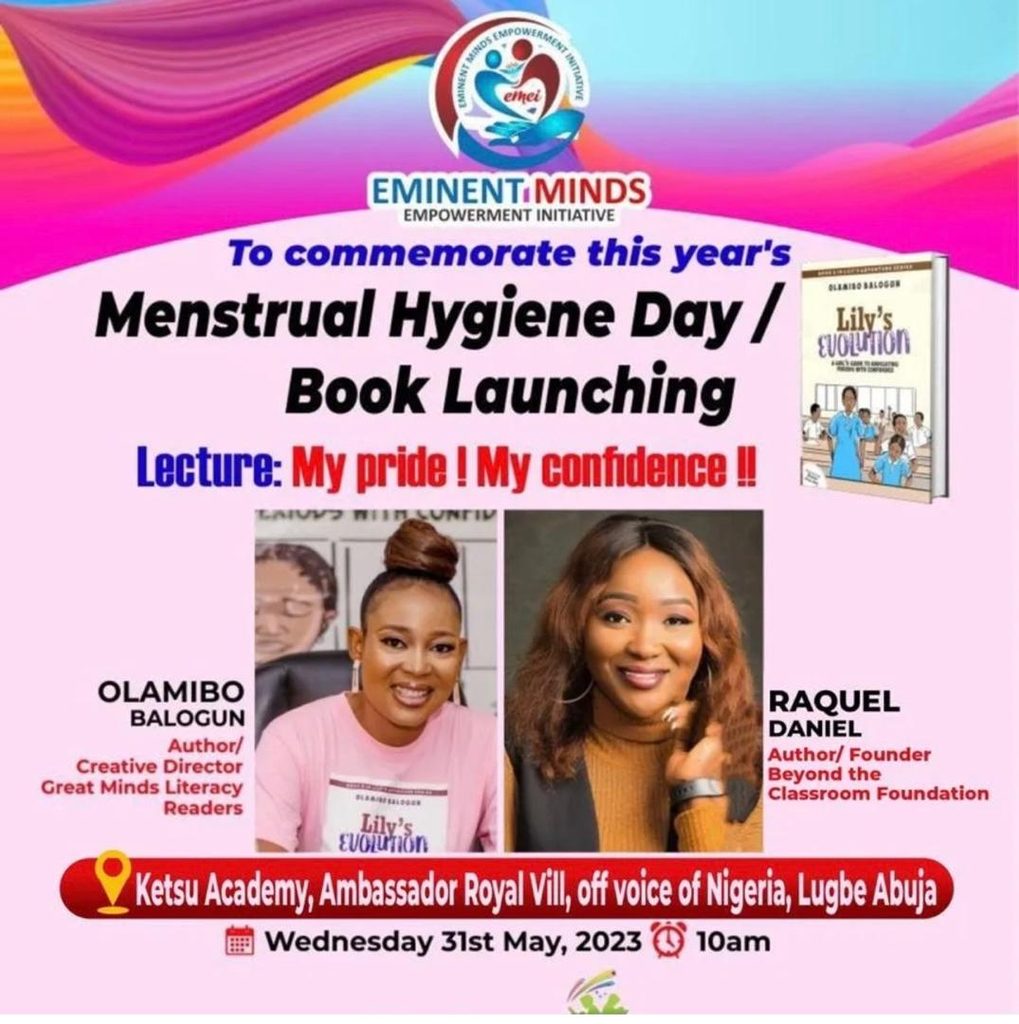
It was against this background that author and educationist Olamibo Balogun launched her book, Lily’s Evolution, on Menstrual Hygiene Day 2023, using the occasion to promote menstrual health education and encourage girls to approach their periods with knowledge and confidence.
The launch took place at Ketsu Academy under the theme “My Pride, My Confidence” and brought together 80 students from eight schools, with each school presenting 10 students. The programme combined the unveiling of the book with an educational session focused on helping girls understand menstruation, practise proper menstrual hygiene and overcome the shame often associated with their periods.
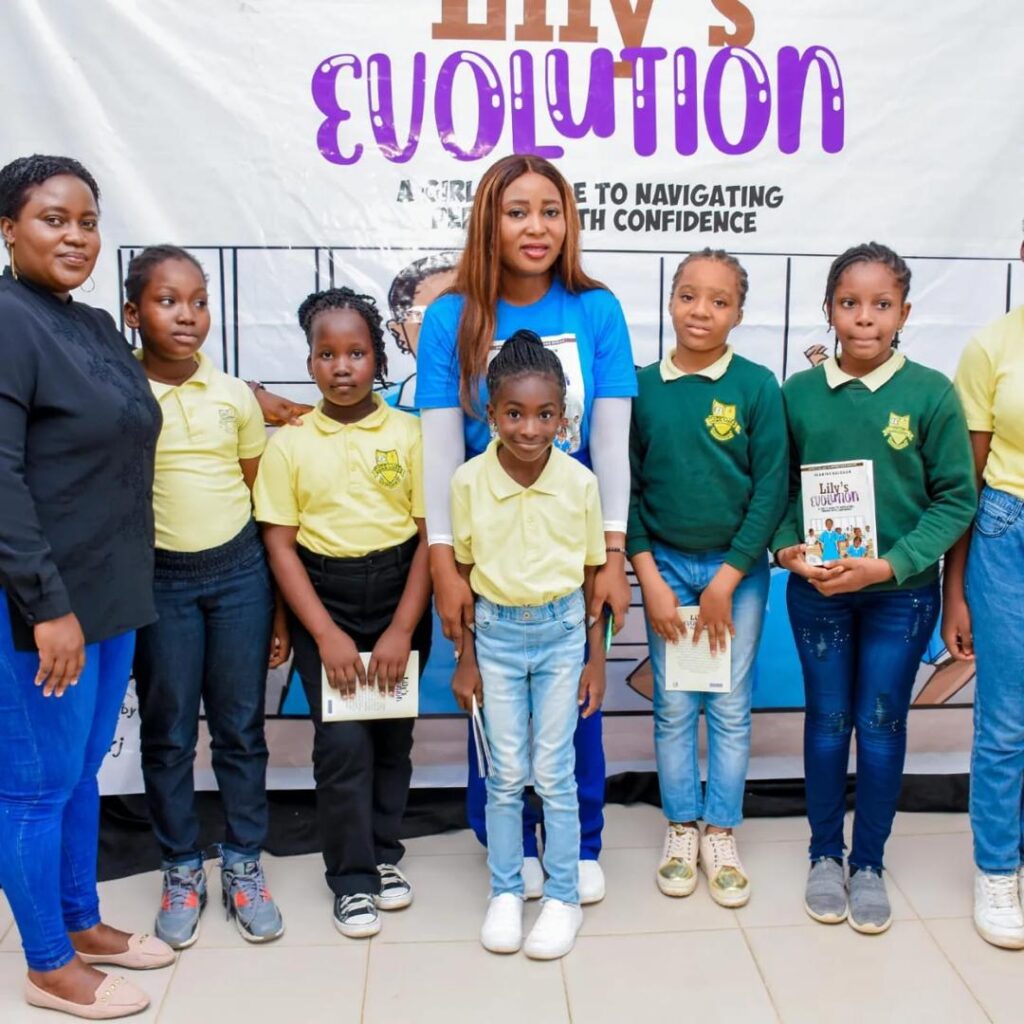
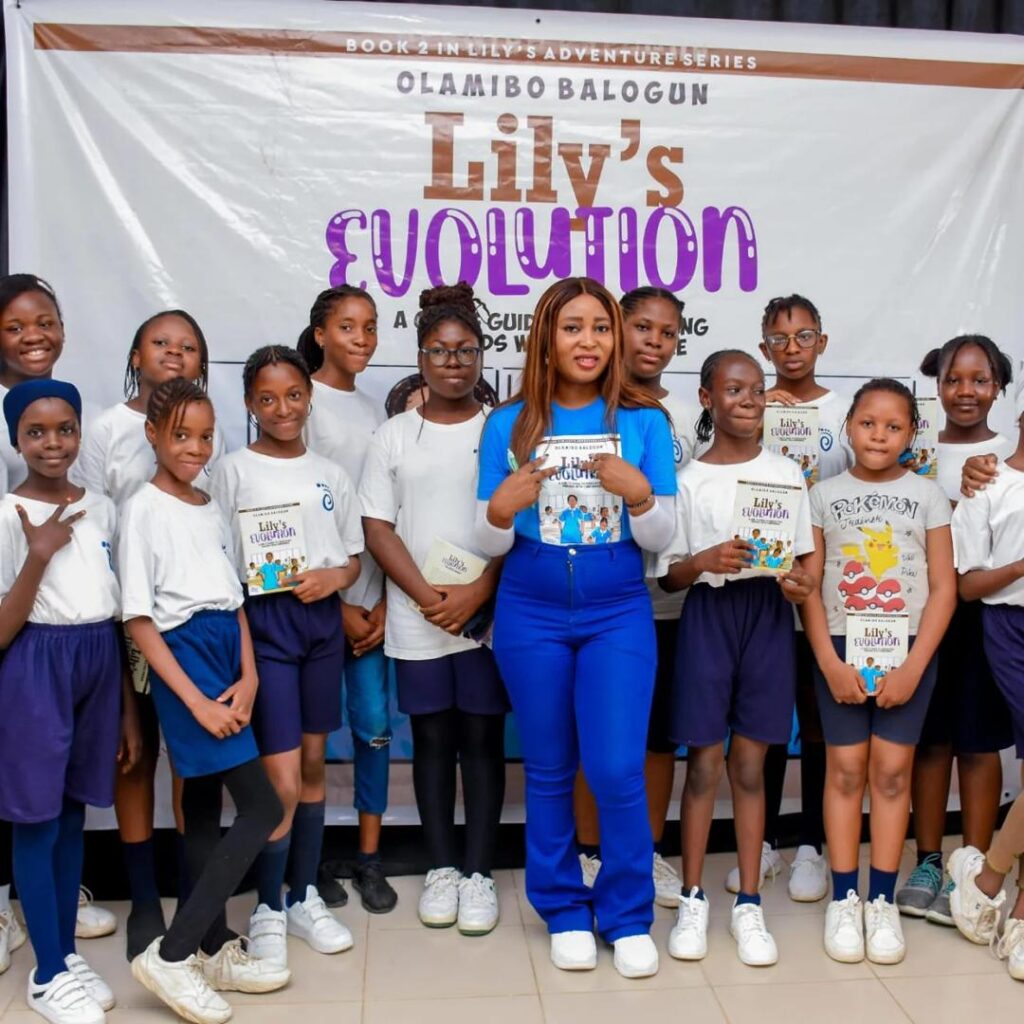
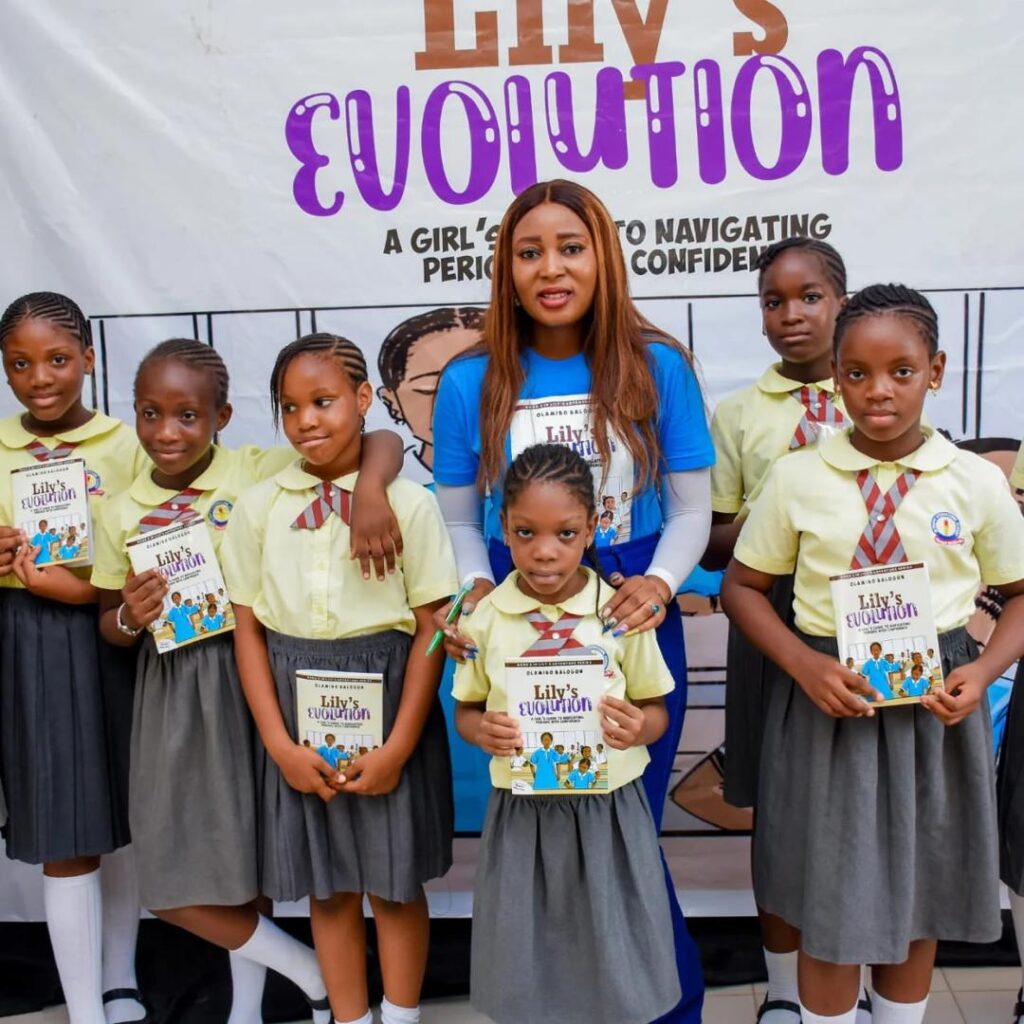
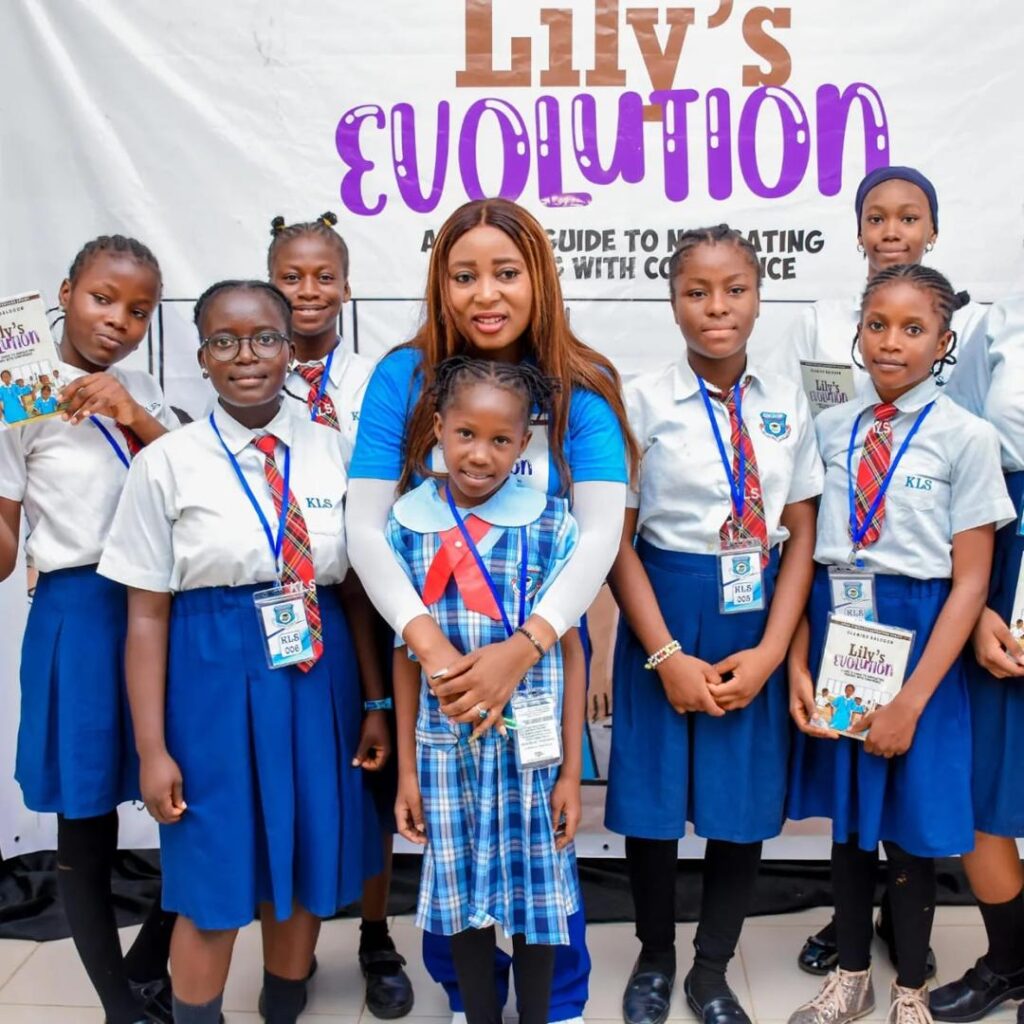
Through Lily’s Evolution, Balogun addresses the need for age-appropriate menstrual health information. The book explains menstruation, encourages healthy hygiene practices and helps girls understand their menstrual experiences. It also seeks to challenge the silence and misconceptions that often surround the subject, making it easier for girls to ask questions, seek information and feel confident about their bodies.
The event featured writer and menstrual hygiene advocate Mrs Raquel Kasham Daniel, author of FLOW: A Girl’s Guide to Menstruation, as guest speaker. Her participation brought another voice to the conversation about menstrual health education, highlighting the importance of equipping girls with accurate information and creating supportive environments where they can discuss their experiences without fear or judgement.
An interactive question-and-answer session gave students the opportunity to raise concerns, ask questions and seek clarification on menstruation and personal hygiene. Rather than simply listening to presentations, the girls were encouraged to participate in an open discussion where they could learn and express themselves comfortably.
Speaking to Raquel Kasham Daniel after the event, she emphasised the importance of having more educational resources to address menstrual stigma, period poverty and the myths surrounding menstruation. She noted that access to menstrual health information remains important in helping girls understand their bodies, make informed decisions and manage their periods with confidence.
Raquel, who also launched a menstrual health board game for girls this year, stressed that there can never be too many resources dedicated to tackling period poverty and breaking the myths and misconceptions surrounding menstruation. She commended Olamibo for using children’s literature to contribute to this effort, noting that books like Lily’s Evolution help make important information accessible to girls and create opportunities for conversations that might otherwise not happen.
She also applauded Olamibo for recognising the importance of equipping young girls with knowledge and confidence, adding that every effort to improve menstrual health education deserves encouragement and support.
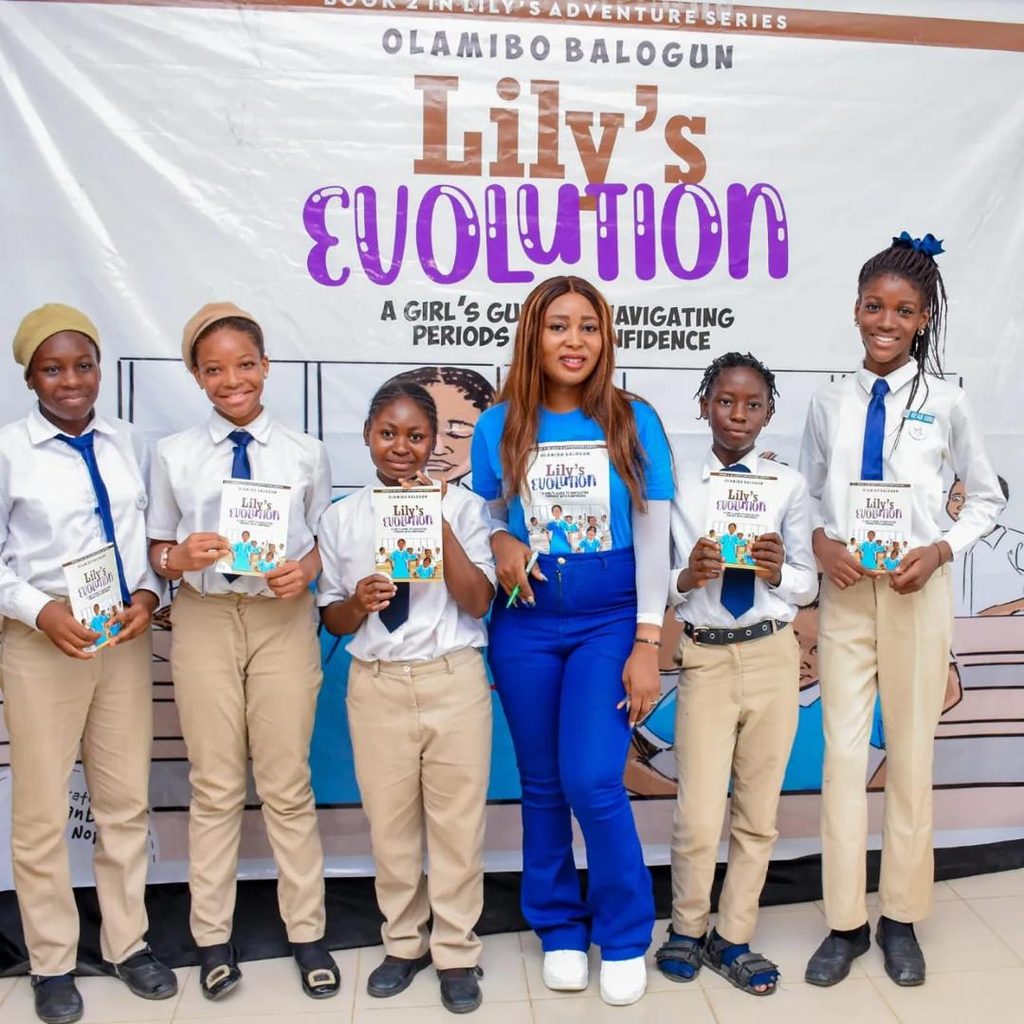
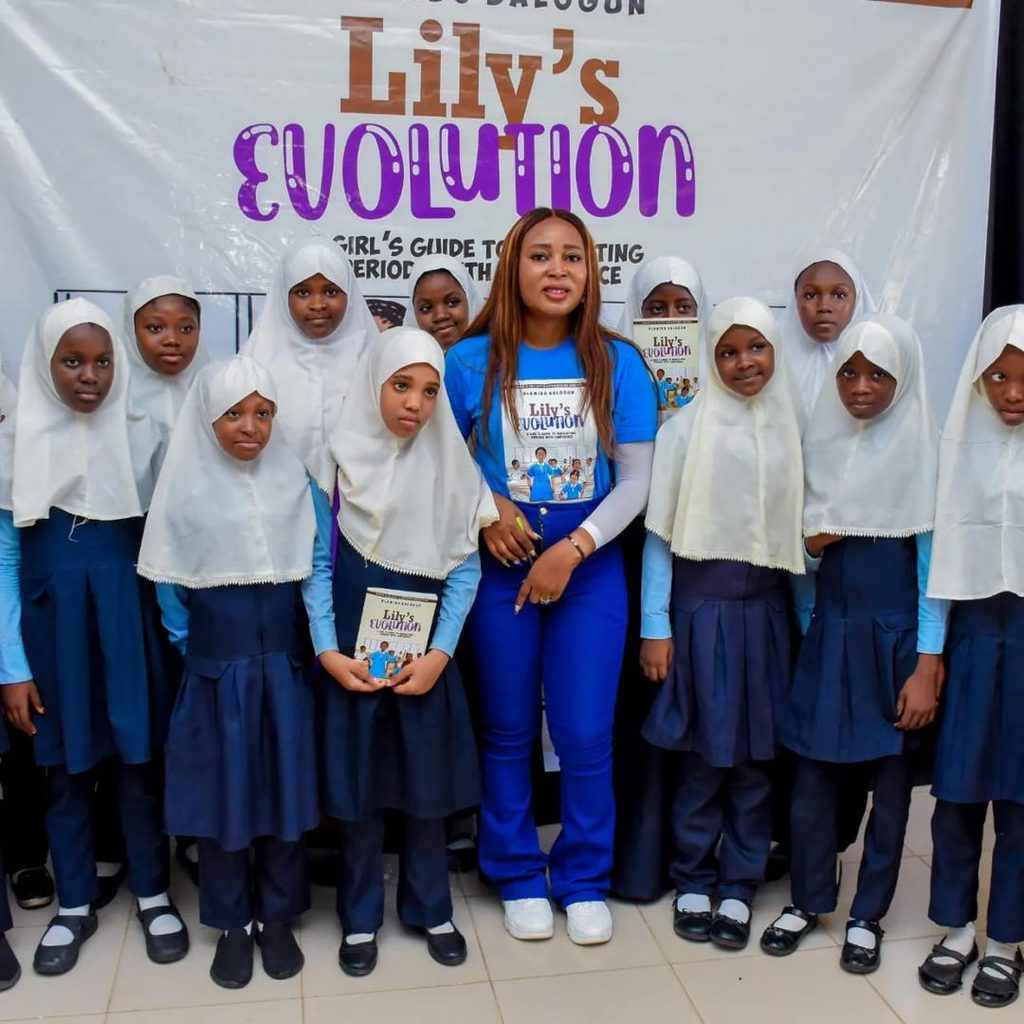
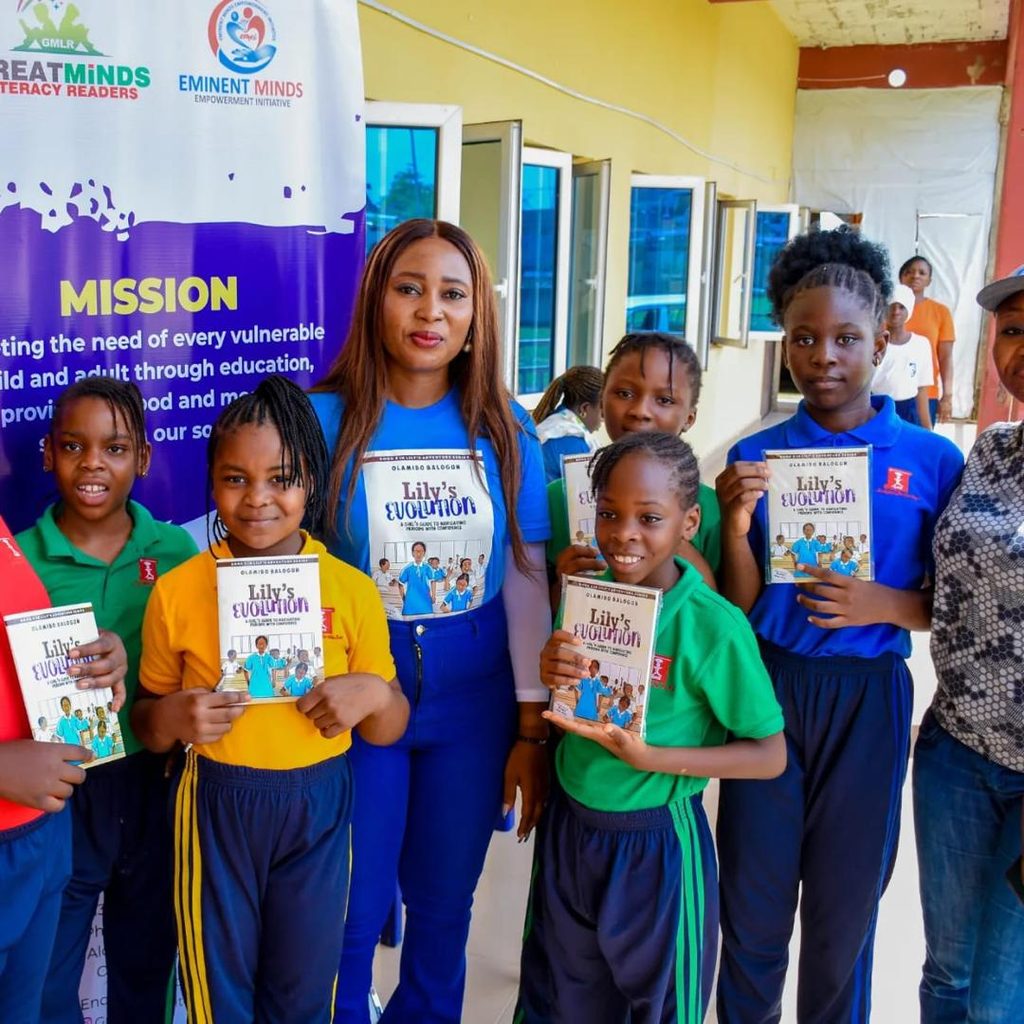
The participation of students from eight schools also gave the programme an opportunity to extend menstrual health awareness beyond the host institution. By bringing girls together from different schools, the launch reinforced the importance of making menstrual education accessible to young people and encouraging schools to create safe spaces for these conversations.
The launch of Lily’s Evolution reflects Balogun’s approach to children’s literature as more than a tool for developing reading skills. Through her writing, she uses stories to address issues that affect children’s growth, health and well-being, creating resources that can support conversations between girls, parents, teachers and other caregivers.
With Lily’s Evolution, the message is clear: girls should not have to navigate menstruation through shame, silence or misinformation. They deserve access to knowledge, the freedom to ask questions and the confidence to understand and care for their bodies.